Home Author
Author

Harper Hale

Advertisement

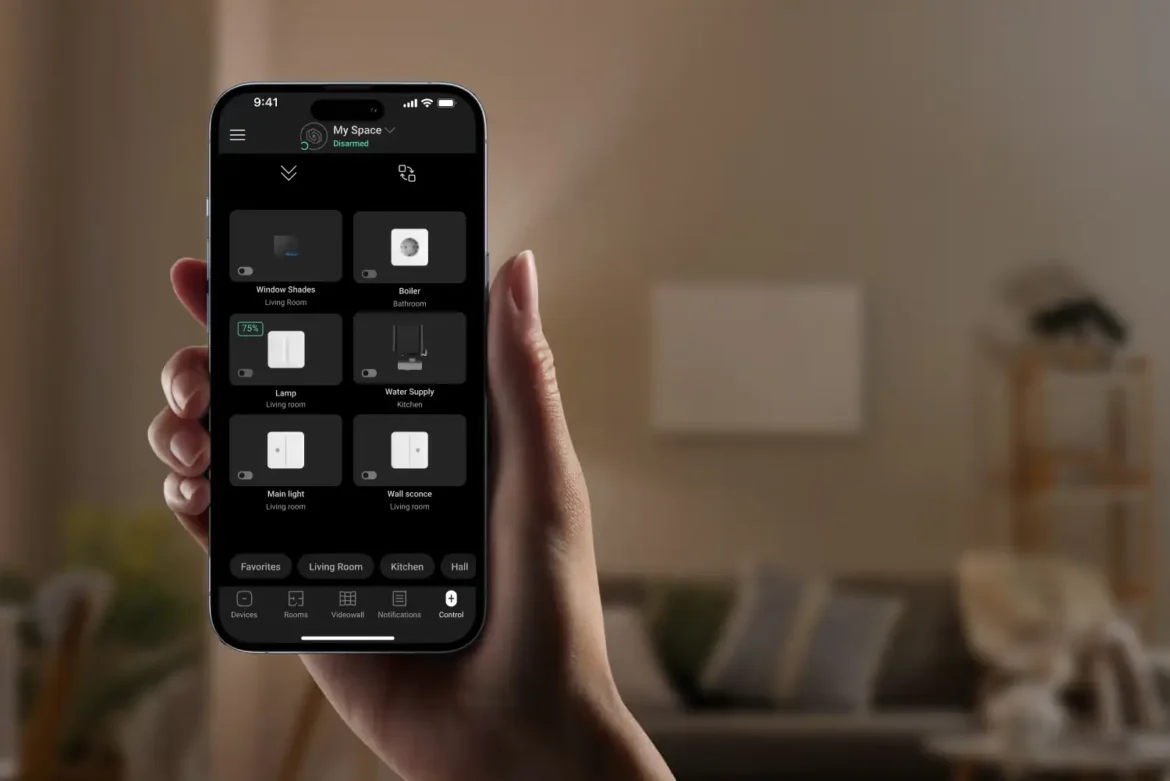
Home automation, once the preserve of luxury properties, now fits comfortably into Australian homes of all sizes, promising convenience, energy savings, and even enhanced security. At its heart, a smart home uses internet-connected devices that communicate with a central hub or your phone, allowing you to control lighting, climate, locks, cameras, and appliances remotely or via automated schedules. Before diving in, it helps to clarify your goals. Are you most interested in reducing electricity bills, simplifying daily routines, or monitoring an elderly relative? A clear purpose prevents the pile-up of gadgetry that ends up gathering dust. Start with one room or one function – perhaps a few smart lights in the living area – and expand only when the first instalment has genuinely improved your quality of life.

The choice of ecosystem shapes the long-term experience. The three major platforms are Amazon Alexa, Google Home, and Apple HomeKit, each with its own voice assistant and compatible device list. Many Australians choose the ecosystem that matches their existing phone or speaker, because integration tends to be smoother. Within that environment, a hub device – a smart speaker or display – acts as the conductor, receiving voice commands and triggering routines. A morning routine might gradually brighten bedroom lights, start the coffee machine, and read out the day’s weather and calendar. When selecting products, look for the “Works with Alexa,” “Works with Google,” or “HomeKit compatible” badge to avoid frustration. Some advanced users opt for an open-source platform like Home Assistant, which offers granular control but requires more technical comfort.

Lighting is the most popular entry point for good reason. Smart bulbs can shift from warm to cool white and dim on command, allowing you to set an evening relaxation scene with amber tones that support your natural sleep cycle. Motion sensors in hallways and bathrooms can turn lights on and off automatically, reducing electricity waste and eliminating fumbling for switches at night. Connected plugs turn standard lamps or fans into smart devices for a minimal outlay. Scheduling outdoor lights to come on at sunset and off at sunrise both deters intruders and mimics occupancy when you are away. These conveniences quickly become normalised, but the real delight often arrives when you adjust the lights from your phone after getting comfortable in bed, or link them to a movie-watching scene that dims the room with a single voice command.


Pages: 1 2

Advertisement

Personal data fuels the modern digital economy, yet many Australians remain unaware of how much information they leak through everyday online activities. Cyber threats range from large-scale data breaches at corporations to targeted phishing attacks that arrive as a seemingly genuine email from a bank or a delivery service. The first layer of defence is understanding what data you are sharing and with whom. Review the privacy settings on social media accounts and restrict the visibility of your birth date, phone number, and address to friends only, or better, to nobody. Regularly audit the apps on your phone, deleting any you no longer use and checking the permissions of those that remain. A torch app has no legitimate need to access your contacts or location, yet many quietly collect and sell such data. Treating personal information as a valuable asset shifts your behaviour from a passive acceptance of terms to an active gatekeeping role.

Passwords remain the gatekeeper to your digital life, yet “123456” and “password” still feature in breach lists. A password manager offers a practical solution, generating and storing complex, unique passwords for every service so you only need to remember one strong master phrase. Choose a master password that is a long, memorable sentence with a few numbers and symbols, something like “Galahs+squabble+in+the+gumtrees!7”. Enable two-factor authentication (2FA) wherever possible, preferably using an authenticator app rather than SMS, because SIM-swapping attacks can intercept text messages. With 2FA active, even if a criminal obtains your password, they cannot access your account without the second factor, which dramatically raises the bar. Revisit your critical accounts – email, banking, superannuation, and government portals like myGov – and ensure they are locked with the strongest available authentication.

Phishing attacks have grown remarkably sophisticated, often mimicking the branding and tone of trusted Australian organisations. They frequently create a sense of urgency: a package awaiting delivery, a tax refund needing immediate action, or a fine that must be paid instantly. A simple rule can protect you: never click on a link in an unsolicited message. Instead, open a browser yourself and manually type the official web address, or call the organisation using a number you already trust, not one provided in the suspicious communication. Hover your mouse over any link to see the true destination URL. Train your household, particularly older relatives who may be less familiar with digital traps, to apply this pause-and-verify approach. Scammers rely on hurried, emotional decisions; a moment of doubt is often enough to avert disaster.

Pages: 1 2

Advertisement

Human beings thrive on connection, and a rich social network functions as a vital buffer against life’s inevitable stresses. When we share a laugh, a story, or even a comfortable silence with someone who knows us, our nervous system often downshifts from a state of alert to one of calm. Loneliness, by contrast, is increasingly recognised as a health risk factor that rivals smoking and obesity. It is not simply about being alone; many people live alone contentedly. The damaging form of loneliness springs from a felt absence of meaningful emotional connection – a sense that no one truly understands you or would reliably show up in a crisis. Nurturing social ties, therefore, is not a sentimental luxury but a pillar of mental health, and it deserves deliberate attention amid our hectic, digitally saturated lives.

Quality matters far more than quantity. A handful of deep, reciprocal friendships where you can honestly share fears, joys, and mundanities provides more protection than hundreds of shallow social media contacts. Assess your current connections by asking yourself who you would call at 2am when distressed, and who would answer without hesitation. If that list is thin, you are not alone; many adults find their circles shrink after education ends and careers and families consume time. Rebuilding begins with small, consistent actions: a weekly standing phone call with an old friend, a monthly stroll with a neighbour, or joining a group centred on a shared passion – a book club, a bushwalking group, a community choir. Consistency and shared experience are the soil in which trust grows.

Being a good friend to yourself is a prerequisite for healthy connections. When self-criticism runs rampant, it can distort how you interpret others’ words and actions, leading to withdrawal or conflict. Practise speaking to yourself with the kindness you would offer a struggling mate. This internal shift makes it safer to be vulnerable with others, which in turn deepens intimacy. Vulnerability is not about spilling your entire history at a first coffee; it is the slow, reciprocal exchange of genuine feelings and experiences. Admitting, “I’ve been feeling a bit flat this week,” and listening to the reply without planning your next response, builds a bridge of empathy. Such exchanges release oxytocin, a hormone that promotes bonding and dials down fear.

Pages: 1 2

Advertisement

Building strength at home requires nothing more than your body, a clear floor space, and a commitment to regular practice. Bodyweight exercises are highly effective because they engage multiple muscle groups in functional patterns that mirror everyday movements – bending, pushing, pulling, and twisting. Before you begin, it’s wise to spend five minutes warming up by marching on the spot, rolling your shoulders, and performing a few gentle lunges to increase blood flow and joint mobility. Start with movements that feel accessible, such as a supported squat by holding onto a sturdy chair or doorframe. This allows your body to learn the pattern without strain, and as your confidence grows, you can gradually reduce support and increase depth. The emphasis should always be on controlled, smooth motion rather than speed or numbers.

A minimal home routine can be built around four foundational exercises: squats, push-ups, glute bridges, and plank holds. For squats, stand with feet shoulder-width apart, keep your chest lifted, and lower your hips as if sitting into a chair, ensuring your knees track over your toes without caving in. If a full push-up feels daunting, start with an incline by placing your hands on a kitchen bench or a sturdy table, maintaining a straight line from head to heels. Glute bridges involve lying on your back, knees bent, feet flat, and lifting your hips until your body forms a straight line from shoulders to knees, squeezing the glutes at the top. A forearm plank, held with a neutral neck and engaged core, builds endurance and stability. Perform each movement in two or three sets of eight to twelve repetitions, resting a minute between sets, and tailor the intensity to how your body feels that day.

Progression keeps the body adapting and prevents boredom. Once a basic squat becomes easy, slow down the tempo – take three seconds to lower and one second to rise – or add a pause at the bottom. Squat variations like split squats, where one foot is behind you on a low step, challenge balance and unilateral strength. Push-ups can become narrower to target triceps, and the feet can be elevated on a step to increase load. Incorporate a sturdy backpack filled with books to add resistance to squats or lunges. For lower-body pulling motions, which are harder to replicate without equipment, a simple door-mounted resistance band set available for a modest price opens up rows and pull-aparts that balance the pressing movements, supporting shoulder health. Regardless of equipment, the guiding principle is gradual overload: consistently asking your muscles to do a little more over time while maintaining excellent form.

Pages: 1 2

Advertisement

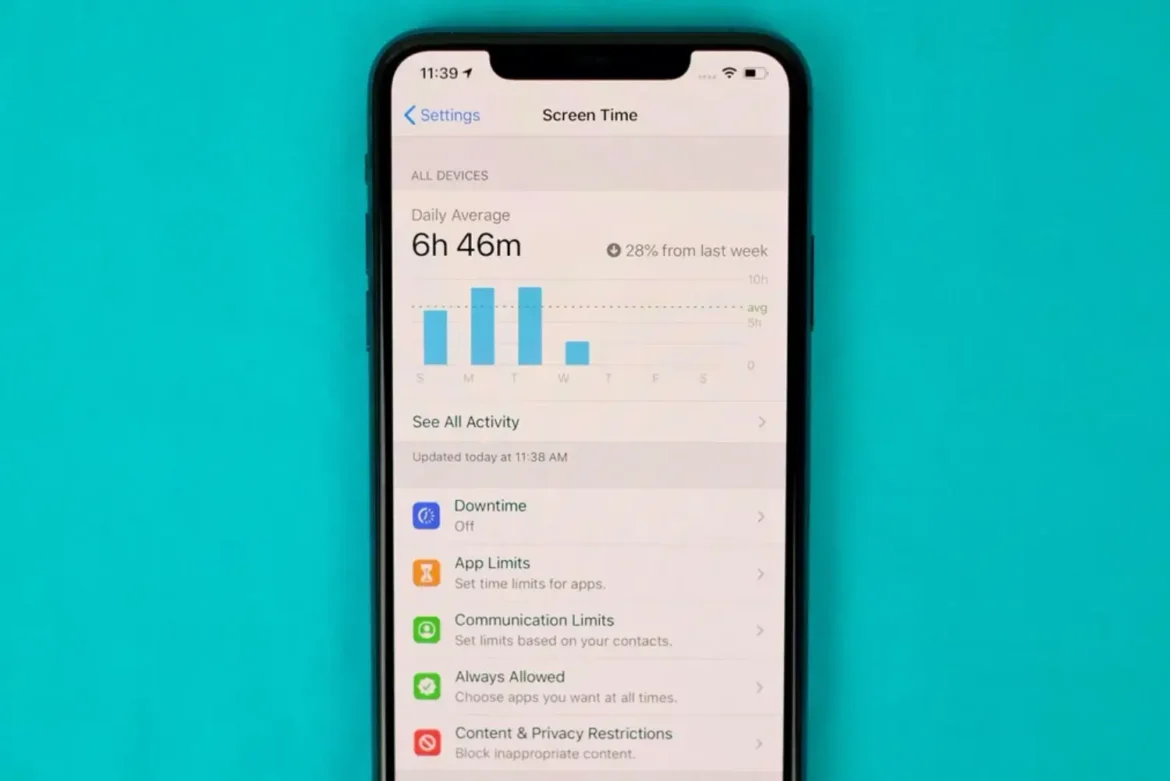
Our devices are designed to capture attention, and the sheer volume of information they serve can fragment concentration and disturb rest in ways we rarely notice until we disconnect. The first step toward a healthier relationship with screens is a self-audit. Most smartphones now include screen-time tracking that reveals exactly how many hours you spend on each app and how often you pick up the device. For a week, simply observe the data without judgement, noting the emotional states that trigger heavy usage – loneliness, boredom, procrastination, or simply habit during television ads. This detached awareness often acts as a gentle shock, because the cumulative hours devoted to short-form videos and endless scrolling frequently surpass our own estimates. Seeing the numbers can motivate change without external pressure.

Establishing clear boundaries around the most damaging periods of screen use pays immediate dividends. The hour before bed is critical, as blue-spectrum light suppresses melatonin production and tricks the brain into alertness even when the body is exhausted. Switch your phone to “do not disturb” or airplane mode by 9pm and charge it in another room, using a dedicated alarm clock if necessary. Replace the pre-sleep scroll with a ritual that signals the day is complete: a warm shower, reading a physical book under soft lamp light, or listening to a calm podcast or music. Within a few nights, many people find they fall asleep more quickly and wake feeling more restored. If you must use a device, enable the built-in night shift or blue light filter, and keep it on a dim setting far from your face.

During working hours, grouping digital tasks into focused blocks can reclaim profound stretches of concentration. Try designating three thirty-minute sessions in the morning for email, messaging, and admin, leaving the remainder of your peak cognitive time for deep work. Close unnecessary browser tabs and turn off non-essential notifications for social media, news, and apps. Each notification is an interruption that can derail your train of thought for up to twenty minutes while your brain recovers. Using website blockers or focus apps like Freedom can provide a hard barrier when willpower alone is wobbly. Reward yourself with a short screen break after a sustained focus period – but make that break a stretch or a gaze out the window rather than another screen.

Pages: 1 2

Advertisement

How you spend the first hour after waking sets a subtle but powerful tone for the entire day, yet many of us lurch into the morning with a jolt of adrenaline triggered by an alarm clock and an immediate dive into notifications. Crafting a morning routine that genuinely supports wellbeing does not require a 5am wake-up or a punishing exercise session. Instead, it starts the evening before with a consistent bedtime and a gentle wind-down that omits screens in the last thirty minutes. When the alarm sounds, try placing your phone or clock across the room, forcing you to stand up to silence it. This physical movement, even if small, helps shake off sleep inertia and reduces the temptation to scroll social media while still horizontal. Immediately drinking a glass of water at room temperature rehydrates the body after a night’s fast and gently kick-starts your metabolism without any need for dramatic concoctions.

Before the day’s demands pour in, claim a pocket of time for stillness. This could be five minutes of quiet sitting with eyes closed, focusing on the sensation of your breath entering and leaving your nostrils. If sitting still feels uncomfortable, a slow, mindful stretch routine or a few sun salutations can connect you to your body while calming the nervous system. The goal is not to empty the mind but to practise observing thoughts without immediately reacting to them. Many Australians report that this short buffer between waking and doing reduces reactivity, helping them respond to emails, traffic, or family chaos with more patience. Consistency matters more than duration; a daily five-minute pause rewires the brain’s stress pathways far more effectively than an occasional hour-long session.

Movement follows stillness, but the type and intensity should suit how you feel and what your body needs. On days when you are tired, a walk around the block in the early light does double duty by exposing your eyes to natural morning sun, which helps regulate your circadian rhythm and improve night-time sleep. On more energetic mornings, a twenty-minute bodyweight circuit, a swim at the local pool, or a cycle along a coastal path can flood your system with endorphins and sharpen focus for hours. The guiding principle is to ask, “What would make me feel strong and clear-headed?” rather than following a rigid program that treats exercise as punishment. This attitude shift from obligation to self-care makes it much easier to sustain throughout the seasons of life.

Pages: 1 2

Advertisement

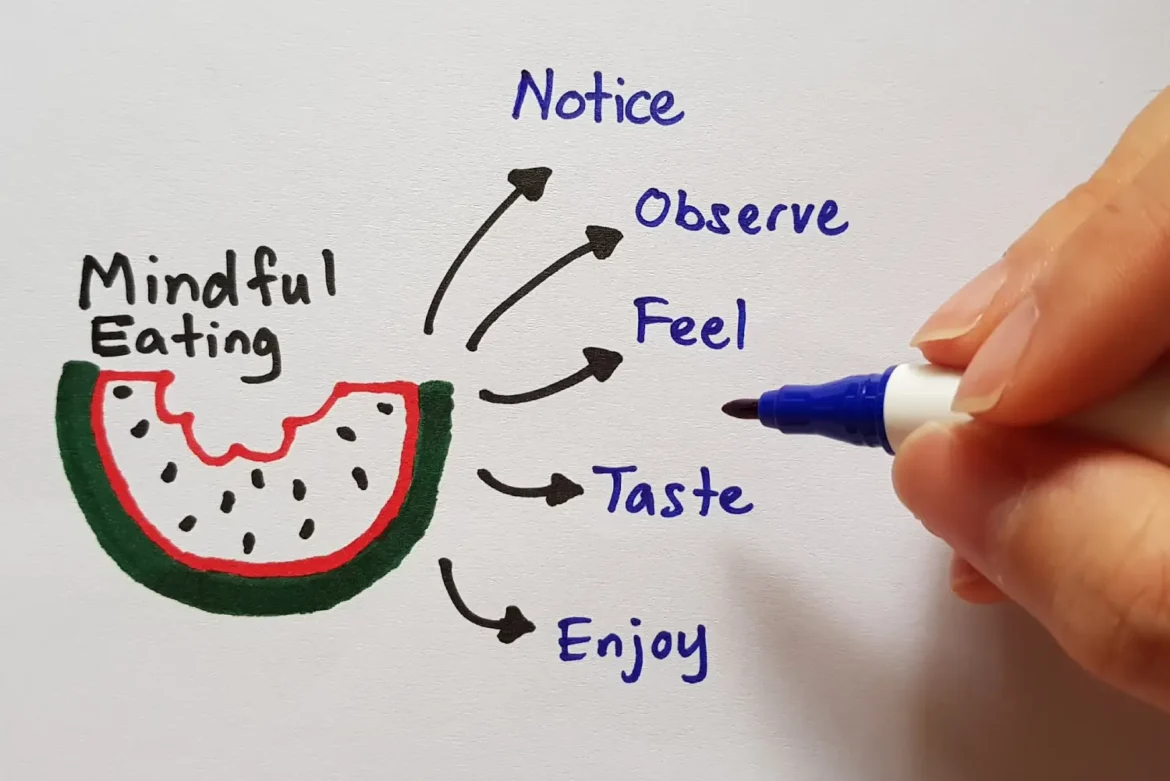
Mindful eating invites us to slow down and become fully present with our meals, moving away from autopilot consumption that so often leads to bloating, guilt, and erratic energy levels. The practice begins well before the first mouthful, with the simple act of noticing hunger signals. Many of us eat because the clock says it is lunchtime, because we are bored, stressed, or simply because food is within reach. Pausing for thirty seconds to place a hand on your belly and ask, “Am I physically hungry right now?” can separate biological need from emotional impulse. This gentle inquiry doesn’t forbid eating in the absence of hunger; it merely inserts a moment of choice, allowing you to decide whether a juicy apple or a short walk might actually satisfy the underlying feeling. Over weeks, this check-in becomes instinctive and reduces the frequency of eating that leaves you feeling heavy and regretful.

Once you decide to eat, the environment you create strongly influences how much and how fast you consume. Step away from screens, whether that means closing your laptop, putting your phone face-down, or switching off the television. Research on distraction and satiety suggests that eating while watching a show can lead to consuming significantly more food later because the brain doesn’t fully register the meal. Set a modest table even if you are alone – a placemat, a real plate, and a glass of water. Taking three deep breaths before your first bite signals the body to shift into a rest-and-digest state. This ritual doesn’t demand extra time; it simply assigns full attention to the act of nourishment, transforming a rushed handful of biscuits into an intentional, satisfying pause.

Engaging your senses deepens the experience and naturally slows your pace. Notice the colours on your plate, the aroma of the ingredients, the texture as you chew. Put your fork down between mouthfuls and aim to chew each bite thoroughly, perhaps fifteen to twenty times, until the food is almost liquid. Not only does this aid digestion, but it also gives the body’s satiety hormones time to signal the brain that you’ve had enough. Many people discover that the flavours become more intense when eating slowly, and they feel satisfied with a smaller portion because they have truly tasted every mouthful. This sensory focus can turn a simple salad of rocket, pear, and walnuts into a rich tapestry of peppery, sweet, and crunchy contrasts.

Pages: 1 2

Advertisement

A side hustle can smooth financial bumps and accelerate goals, but the most sustainable options spring from your existing skills and genuine interests. Begin by inventorying what you already do competently, whether that is writing, graphic design, tutoring, handyperson work, or caring for animals. An accounting clerk, for example, might offer bookkeeping evenings for small businesses, while a teacher could coach students for NAPLAN or HSC preparation on weekends. Matching the hustle to your strengths reduces the unpaid learning curve and increases the chance of early, encouraging wins. Platforms like Airtasker, Mable, and local community boards can connect you with people seeking help with everyday tasks, furniture assembly, cleaning, or gardening. Start small with one or two clients to test whether the work suits your energy levels and schedule before fully committing.

Digital marketplaces have made it simpler to sell both physical and intangible goods without a shopfront. Australians with a creative streak can list hand-made jewellery, candles, or prints on Etsy or at weekend markets. Those without a craft can explore print-on-demand services where you upload designs for T-shirts, tote bags, or mugs, and a third party handles printing and shipping. The work shifts to marketing and creating appealing visuals. Meanwhile, decluttering via eBay, Facebook Marketplace, or Depop can generate a surprisingly handsome sum, especially for quality clothing, baby gear, and electronics. Approach this as a project: photograph items beautifully, write honest descriptions, and price competitively based on completed sales data rather than wishful thinking.

The sharing economy offers asset-based income streams that require relatively little time once set up. Renting out a spare room or a granny flat on platforms like Flatmates or even Airbnb – where regulations allow – can cover part of a mortgage. If you own a car that spends most days parked, peer-to-peer car-sharing services such as Car Next Door let neighbours hire it by the hour. A well-maintained vehicle in a convenient location can earn several hundred dollars a month. Similarly, those with storage space – a garage, shed, or spare carport – can list it on Spacer for people needing to stash boats, caravans, or boxes during moves. These models capitalise on idle capacity and, once insured and structured properly, become a steady trickle rather than a second job.

Pages: 1 2

Advertisement

Market swings stir powerful emotions, and acting on those emotions often harms long-term returns. One of the most frequent mistakes investors make is attempting to time the market – selling at a dip to avoid further pain and planning to buy back when things “settle down.” History shows that missing just the handful of best-performing days can slash overall returns severely, and those days frequently occur close to the worst days. Accepting that volatility is a feature of markets, not a malfunction, can help you remain invested during turbulence. Instead of reacting to headlines, ground your decisions in a written investment plan that spells out your goals, time horizon, and the level of loss you are genuinely comfortable riding through without panic.

Diversification is a fundamental defence, yet many portfolios are far more concentrated than owners realise. True diversification means spreading money across different asset classes – Australian shares, international shares, property, bonds, and cash – and within those, across sectors and geographies. A portfolio heavy in Australian bank stocks and mining companies is highly correlated with local economic cycles; adding a broad international index fund or exchange-traded fund can smooth the ride. Likewise, the rise of direct property investments via real estate investment trusts offers exposure to commercial and industrial assets without the need for a deposit and a mortgage. Rebalancing once a year, where you sell assets that have grown beyond their target allocation and buy those that have lagged, mechanically locks in the discipline of “buy low, sell high” and removes emotion from the process.

Chasing hot tips or the latest buzzy sector is another pitfall that destroys wealth. The crypto boom, meme stocks, and speculative clean-energy plays have all produced stories of overnight riches alongside far more stories of lasting losses. Before allocating any money to a thematic bet, ask whether you understand the underlying value and whether the investment aligns with your overall plan. Allocate no more than a small, pre-defined “fun money” portion – perhaps five per cent of your portfolio – to speculative ideas, ensuring that even total loss wouldn’t jeopardise your financial safety. The bulk of your investing should remain in boring, broadly diversified holdings that have a long-term record of compounding, even if they never make for exciting dinner conversation.

Pages: 1 2

Advertisement

Superannuation is often Australia’s most overlooked asset, quietly growing in the background while we focus on daily expenses. At its core, super is a tax-advantaged vehicle designed to fund your retirement, with employers currently required to contribute a percentage of your ordinary time earnings. Many people treat it as a set-and-forget arrangement, but small, intentional actions taken decades before retirement can dramatically alter the final balance, thanks to the power of compound returns. Start by locating any lost or unconsolidated accounts through the ATO’s online portal. Holding multiple funds often means paying multiple sets of fees and insurance premiums, which silently erode your nest egg. Consolidating into a single well-chosen fund is one of the fastest ways to improve your retirement outlook without requiring extra contributions.

Fees are the quiet thief of super. Even a difference of 0.5 per cent in annual management costs can translate to tens of thousands of dollars less at retirement. Use comparison websites like the ATO’s YourSuper tool to benchmark your current fund against others. Look beyond short-term returns and focus on long-term performance, typically over seven to ten years, and pay attention to the investment option you are in. Many people default into a balanced option, which might suit those in mid-career, but a younger worker with decades on their side could consider a growth or high-growth option to chase higher returns, understanding that it brings greater volatility. Adjust your investment choice as your circumstances and risk tolerance evolve, and review it whenever you move into a new life stage.

Voluntary contributions, even tiny ones, can turbocharge your super balance once you understand the tax advantages. Salary sacrifice, where you arrange for your employer to direct some of your before-tax pay into super, is taxed at only 15 per cent rather than your marginal rate, which could be 32.5 per cent or higher. This instantly boosts the amount invested. For example, directing $50 a fortnight into super might reduce your take-home pay by only around $35 after tax savings. Alternatively, personal after-tax contributions can qualify for a government co-contribution if you earn below certain thresholds; if you contribute $1,000 and meet the criteria, the government may add up to $500. Check eligibility on the ATO website, as these rules adjust annually. Every bit of free money nudges your retirement closer to comfort.

Pages: 1 2

Advertisement

Contact information

Glowshadow Haven Pty Ltd

24 Hartington St, Northcote VIC 3070, Australia

+61394825261

[email protected]

Disclaimer

The information provided on this website is for general informational and educational purposes only. All content is published in good faith and is intended to offer a broad understanding of various topics. However, no representation or warranty of any kind, express or implied, is made regarding the accuracy, adequacy, validity, reliability, availability, or completeness of any information on this website.

All rights reserved © 2026