
Home Author
Author

Harper Hale

Advertisement

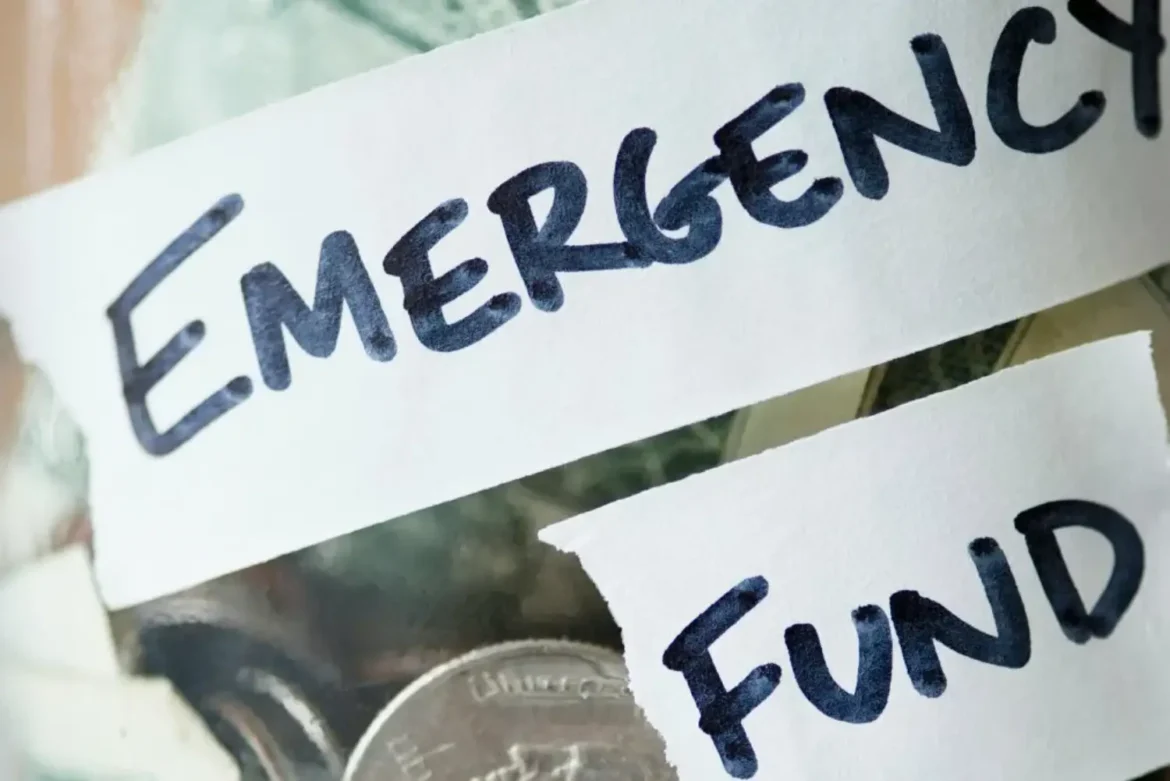
An emergency fund is a financial shock absorber, yet the idea of stashing away thousands of dollars while earning a modest income can feel impossible. The key is to start with a micro-goal that builds both momentum and belief. Instead of fixating on the widely recommended three to six months of living expenses, set a first target of just $1,000. This sum is enough to cover most unexpected car repairs, a dental visit, or a broken fridge without needing to borrow. Break that figure into tiny actions: $20 per week automatically transferred to a high-interest savings account that is not linked to your everyday card. Over a year, that alone accumulates to over $1,000. The psychological benefit of seeing a separate account grow is immense; it creates a mental shift from “I can’t save” to “I am a saver,” and that identity often fuels further progress.

Choosing the right home for your emergency money matters. Look for an online saver account with no fees, a competitive variable rate, and ideally a bonus interest structure that rewards you for making no withdrawals. Keep the account at a different bank from your day-to-day transaction accounts to introduce a gentle friction that discourages casual raids. When a genuine emergency strikes, you can transfer the money within a day or two, but the slight delay protects against impulsive spending. If you receive windfalls such as a tax refund, a bonus, or a birthday gift, allocate at least half toward this cushion before you think about spending it. It is far easier to accelerate savings with lump sums than to rely solely on weekly trimming.


Pages: 1 2

Advertisement

Crafting a practical budget often feels like a chore, yet it remains one of the most empowering steps you can take toward financial clarity. Many Australians discover that traditional spreadsheet tracking quickly becomes tedious, so the first tactic is to reframe budgeting as a spending plan rather than a restrictive set of rules. Start by gathering three months’ worth of bank and credit card statements to identify exactly where your money goes. This anonymised snapshot reveals surprising leaks, such as unused streaming subscriptions, excessive takeaway coffees, or impulse online purchases. Armed with real data, you can group expenses into essential and discretionary categories. The simple act of seeing the numbers often motivates people to trim low-value spending without feeling deprived. Instead of aiming for perfection, target one or two areas where a small shift can free up meaningful cash, and commit to reviewing your plan on the first Sunday of each month to keep it alive and relevant.

The popular 50/30/20 framework is a helpful starting point, but it deserves an Australian twist. Under this model, 50 per cent of your after-tax income goes to needs like rent, mortgage, groceries, utilities, and minimum debt repayments, while 30 per cent covers wants, and 20 per cent is directed toward savings or extra debt reduction. In our cities, where housing costs often consume more than half of take-home pay, you might need to adjust the percentages temporarily while keeping the principles intact. If your rent or mortgage sits at 55 per cent, consider trimming wants to 25 per cent or boosting income through a side hustle to restore balance. The real value lies in consciously allocating every dollar rather than floating through the month. Many find that simply separating money into different transaction accounts – one for fixed bills, one for daily spending, and one for savings – reduces the mental load and helps prevent overspending. Automating transfers to savings on payday means you treat your future self as the first biller, a habit that quietly builds security.

Cash-based approaches, often called envelope stuffing, have evolved for the digital age. You can recreate the envelope method using multiple fee-free bank accounts or prepaid cards with dedicated purposes. For instance, load a specific amount onto a card for groceries each week, and when it runs out, you pause or get creative with pantry items. This tactile limit often feels more immediate than watching numbers on a screen, and it sharpens your awareness of value. For those who prefer an app-based solution, platforms like Frollo or WeMoney aggregate accounts and show your spending in real time, sending alerts when you’re nearing a category limit. The trick is to use technology as an accountability partner, not a set-and-forget tool. Schedule a weekly five-minute check-in where you categorise any unassigned transactions and compare your actual spending against the planned amount. Over time, this practice builds intuitive restraint and reduces the anxiety that comes from wondering whether you can afford a purchase.

Pages: 1 2

Advertisement

Older Posts

Contact information

Glowshadow Haven Pty Ltd

24 Hartington St, Northcote VIC 3070, Australia

+61394825261

[email protected]

Disclaimer

The information provided on this website is for general informational and educational purposes only. All content is published in good faith and is intended to offer a broad understanding of various topics. However, no representation or warranty of any kind, express or implied, is made regarding the accuracy, adequacy, validity, reliability, availability, or completeness of any information on this website.

All rights reserved © 2026