Home Uncategorized
Category:

Uncategorized

Advertisement

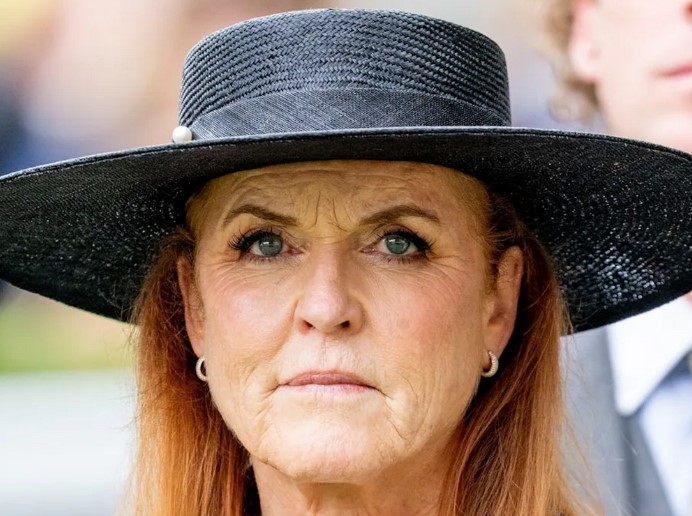
Sarah Ferguson is once again at the centre of public attention as questions grow over where she will live next and how she plans to rebuild her life after a fresh wave of royal fallout. Reports say the former Duchess of York has been weighing her options overseas while the deadline to leave Royal Lodge approaches, with sources suggesting she is looking for a way to move forward independently and away from the constant pressure surrounding her royal connections.

For Ferguson, the issue is no longer only about a change of address. It has become a much larger question about reputation, income, public standing and whether she can find a stable role outside the royal orbit. After decades of dramatic headlines, attempted reinventions and public comebacks, she now appears to be facing one of the most difficult resets of her life.

The situation has become even more complicated after the latest Epstein-related revelations triggered renewed scrutiny of her past associations. In February, BBC and CNN reported that six companies linked to Ferguson were being dissolved, a development that followed fresh attention on her connection to Jeffrey Epstein and the wider damage to her public image.

That timing has made the story especially damaging. At a moment when Ferguson might have hoped to present herself as independent, resilient and commercially active, the focus has instead shifted back to controversy. Questions about her business interests, charitable work and future living arrangements have all come together at once, creating a sense that the former royal figure is entering a far more uncertain phase.

For many years, Ferguson managed to maintain a complicated but visible public profile. She was often portrayed as one of the more accessible and emotionally open figures connected to the royal family, someone who had survived scandal before and still found ways to remain in the public eye. That reputation for resilience helped her return repeatedly after difficult periods.

But this latest chapter feels different. The pressure is not just personal but reputational. Charities, commercial partners and media opportunities are often sensitive to public perception, and Ferguson’s name is now once again being discussed in connection with stories that many institutions would rather avoid. Even if she is not accused of wrongdoing in the latest coverage, the association alone has become a serious obstacle.

Pages: 1 2

Advertisement

Albanese takes a risky gamble on housing as he breaks election promise

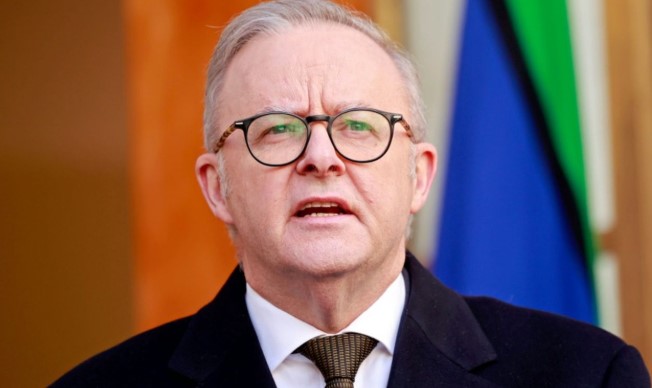
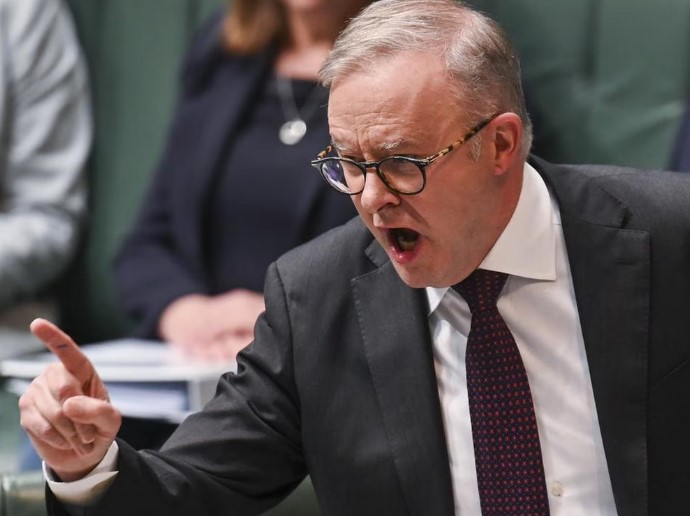
Anthony Albanese has sparked a fresh political backlash after moving to overhaul Australia’s housing tax settings, in a step that appears to cut across a promise Labor made during the election campaign. The Prime Minister is now arguing that the shift is necessary to give younger Australians a fairer shot at owning a home.

The plan centres on changes to long-standing tax breaks that have helped shape Australia’s property market for decades. That includes the politically sensitive debate over capital gains tax and negative gearing, two issues that have become lightning rods in the fight over housing affordability. For Albanese, the pitch is simple: the system has tilted too far in favour of investors, and first-home buyers have been left behind.

But the timing could hardly be more dangerous. Housing remains one of the most emotionally charged issues in the country, with soaring prices and rental stress already putting pressure on households. Any move that looks like a broken promise is bound to trigger fierce criticism, especially when it touches such a sensitive part of the economy.

Albanese has framed the changes as a matter of fairness, insisting young Australians deserve a “fair crack” at home ownership. That message may play well with voters who feel shut out of the market, but it also opens him up to accusations that he is rewriting the rules after winning office.

Opponents are already sharpening their attack, arguing that the government is trying to dress up a political retreat as a reform agenda. For them, this is not just about tax policy. It is about trust, credibility and whether the Prime Minister is prepared to walk away from a clear pre-election commitment when the pressure gets too high.

Pages: 1 2

Advertisement

A married couple, having lived together for several years, decided to escape their daily routine for a while. Their destination was Northern France, drawn by the rugged beauty of the coastline and the opportunity to take a flight over the famous point where the English Channel meets the North Sea. This trip promised them both relaxation and a touch of adventure.

On the morning of their departure, the sky was clear—crossed only faintly by clouds—and a gentle breeze drifted across the airfield. As they approached the small aircraft awaiting them, they paused for a moment to admire its elegant appearance. It looked almost brand-new, gleaming in the sunlight, with harmonious lines and a perfectly maintained cabin. No sooner had they stepped aboard than they were seized by an almost childlike excitement—as if they had entered another world.

Before takeoff, they took their time inspecting the aircraft. They examined the seats, touched the controls in the cockpit, and looked over the various instruments. Then, they checked the storage compartments and onboard equipment. The air inside the cabin was slightly cool, carrying the distinct scent of metal and fuel. They exchanged smiles, imagining the day ahead—one to be spent in the skies, far removed from the noise and obligations of everyday life.

In a corner of the cockpit, they finally noticed an old navigation device. It looked quite dated, with worn buttons and a slightly scratched screen. Out of curiosity, they decided to switch it on—and, to their surprise, it still worked. Gradually, a map appeared on the screen. Immediately, one detail caught their eye: an isolated point, devoid of any labels or explanations.

They exchanged amused glances. This mysterious spot instantly piqued their curiosity. A glitch? A trace left behind by a previous pilot? Or perhaps something even more intriguing? After a brief moment of deliberation, they decided to simply follow the clue. The weather was calm, they had plenty of time—and they liked the idea.

The aircraft lifted smoothly from the runway and climbed high above the coastline. The sea stretched out beneath them like a vast, shimmering expanse. Every now and then, cargo ships or ferries would flit past in the distance. They reveled in the flight, gazing out at the horizon and admiring the scenery. They chatted and laughed, or sometimes simply fell silent, mesmerized by the view from the sky. The atmosphere was peaceful and pleasant.

After some time, they approached the point marked on their map. The light began to shift subtly, and the colors of the sea grew increasingly vivid. Glancing down, they suddenly noticed something strange: standing on a small, isolated patch of land was an old stone house.

They descended slightly to get a better look at the structure. It appeared abandoned—weathered by wind and salt—with absolutely no signs of life around it. Then they realized that the mysterious point likely referred to this forgotten spot—perhaps an old fisherman’s hut, an old lookout post, or a long-deserted home.

In the end, the situation made them laugh. It wasn’t the grand mystery they had anticipated, but it possessed a charm of its own. They shared a few jokes about their impromptu “treasure hunt” and continued their flight, having disturbed no one.

Finally, they resumed their journey, allowing the little house to slowly recede behind them. Their voyage continued—even more tranquil than before—with the certainty that this unexpected discovery would remain one of the most memorable moments of their trip.

Advertisement

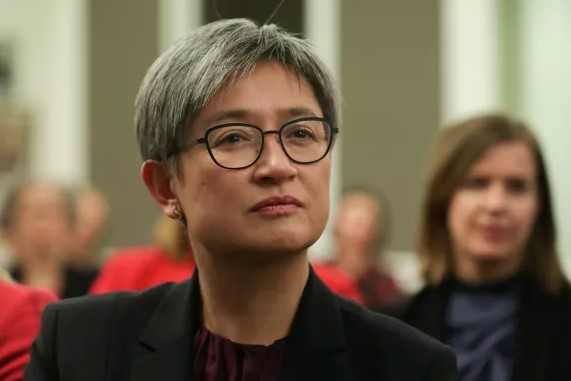
Senator Wong (South Australia — Minister for Foreign Affairs and Leader of the Government in the Senate): By leave — Senator Hanson speaks of division, yet it is she who sows division. Senator Hanson speaks of respect, yet it is she who sows disrespect. Senator Hanson, I listened closely to your remarks, and I would like to say this to you: you are not obliged to agree with the tradition of acknowledging Indigenous ownership of the land. I do not agree with you—and I think the majority in this chamber do not agree with you—but you are not obliged to agree with it. However, it is part of the rituals and traditions of this chamber, and, as a Senator, I believe you ought to respect that. I believe you ought to respect that.

I also listened to the speech that was just delivered, and I must say I was very pleased by the presence of the Leader of the Opposition, Ms. Ley, at the Welcome to Country ceremony at the opening of Parliament, and by her expression of respect and appreciation for the warm welcome extended by Auntie Violet. Ms. Ley said the following:

May this set the tone as we reaffirm our commitment to taking practical measures to improve the lives and opportunities of Indigenous Australians in every corner of our great country.

I hope that the Opposition will reflect upon the words of their leader regarding the Welcome to Country.

Much has been said about what this chamber—this House—represents. It is a home for all Australians. That is true. And it is a home that embodies our history and our multicultural diversity, as well as the history of Australia’s Indigenous peoples and Torres Strait Islanders—the oldest history in the world. I would conclude with this: decency and respect cost us nothing, yet they contribute immeasurably to strengthening our sense of unity. And if you wish to see what nobility and respect look like, perhaps you might recall the words of Senator McCarthy, spoken just a few minutes ago. I do not intend to grant permission for further statements, given their volume…

THIS IS AN ADVERTISEMENT AND NOT AN ACTUAL NEWS ARTICLE, BLOG, OR CONSUMER PROTECTION UPDATE.

Advertisement

Under pressure to demonstrate leadership and composure following weeks of panic buying, Albanese will seize upon the global oil crisis to advance his vision for reforming Australia’s economic model by subsidizing critical industries and traditional manufacturers.

Albanese is set to pledge his most ambitious budget yet, linking his manufacturing development agenda to social cohesion and “progressive patriotism,” while also opening the door to potential government investment in oil refineries and measures to boost the country’s low fuel reserves.

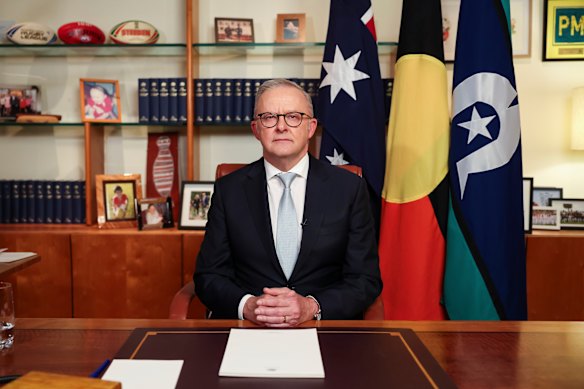
Although the Prime Minister’s address to the Press Club had been scheduled weeks in advance, he opted this week to use a national address to speak directly to voters about the war—adopting a somber tone that marked a significant shift from the more optimistic statements made earlier in the week.

“The months ahead may be difficult. I want to be upfront about that,” Albanese declared in a three-and-a-half-minute address broadcast at 7:00 PM on Wednesday. It was the first national address since Scott Morrison’s statement regarding the pandemic on March 12, 2020—just days before the commencement of a nationwide lockdown.

Emphasizing that Australia was not actively involved in the war—following weeks of mounting frustration directed at the Trump administration—Albanese stated that Australians should “go about their business and live their normal lives” during the Easter holidays.

Премьер-министр Энтони Альбанезе в своем официальном обращении к нации о последствиях войны против Ирана.


THIS IS AN ADVERTISEMENT AND NOT AN ACTUAL NEWS ARTICLE, BLOG, OR CONSUMER PROTECTION UPDATE.


Advertisement

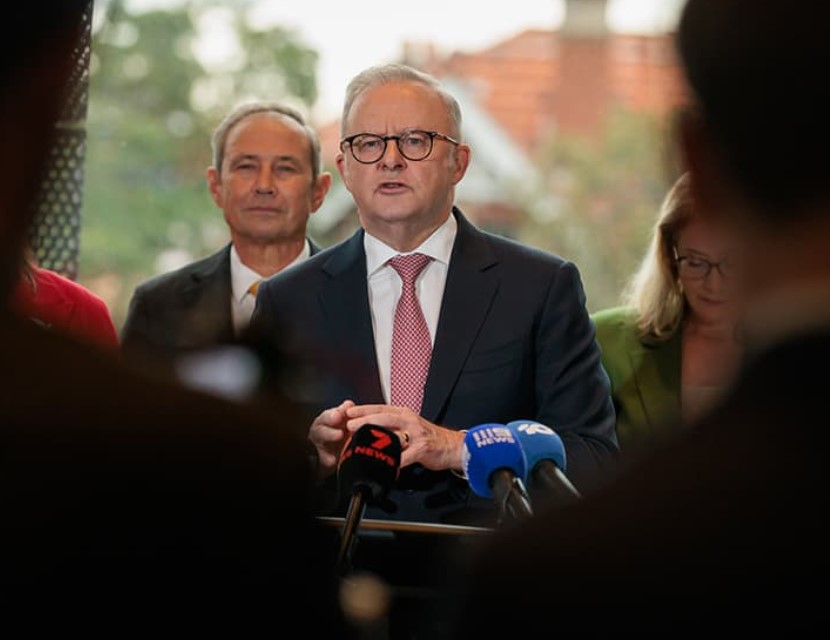
Prime Minister Anthony Albanese has ruled out applying a gas export tax to existing contracts despite overwhelming public support, as pressure for a fairer return from Australia’s gas exports continues to build ahead of the budget.

Prime Minister Anthony Albanese has ruled out applying a gas export tax to existing contracts as new Australia Institute polling shows overwhelming support for a levy.

In a speech to the Chamber of Minerals and Energy of Western Australia (the lobby group representing major mining and energy companies), the PM said it was the “worst possible time” to jeopardise key trading partners.

“Our gas exports are directly linked to our national fuel security,” he said.

“This is why I can confirm that the budget will not undermine existing contracts on gas exports.”

His remarks come just a week after a Senate inquiry scrutinised how Australia taxes gas exports, with the Australia Institute warning the delay is costing Australia roughly $350 million dollars each week in foregone revenue.

“In making this decision, the Prime Minister has simply chosen to delay the inevitable,” said Dr Richard Denniss, co-CEO of The Australia Institute.

“The Prime Minister’s decision to kick the can down the road might feel politically easy right now, but it is going to come at an enormous cost to both the budget and the Australian voters’ faith in their government.”

The PM’s choice of words sparked speculation that a levy could still be imposed on new gas contracts and the spot market in next month’s budget.

“This fight is far from over. Public pressure for a gas export tax is growing by the hour, and the Prime Minister knows it, so he’s keeping the door open ahead of the budget,” said the Senate inquiry’s committee Chair, Greens Senator, Steph Hodgins-May.

The Conservation Council of WA (CCWA) said it would be an “insult to all Australians” amid a cost-of-living crisis if the Albanese government opted for the status quo.

“We’re hoping the Prime Minister is listening to the Australian people and that he’ll take steps to get a fair deal from multinational gas giants, considering the groundswell of Australians from across the political spectrum who are calling for this tax as a bare minimum,” said CCWA Executive Director Matt Roberts.

New polling by the Australia Institute shows seven in ten voters nationwide agree gas export companies should pay a 25 per cent gas export tax, including four in five Labor voters.

Pages: 1 2

Advertisement

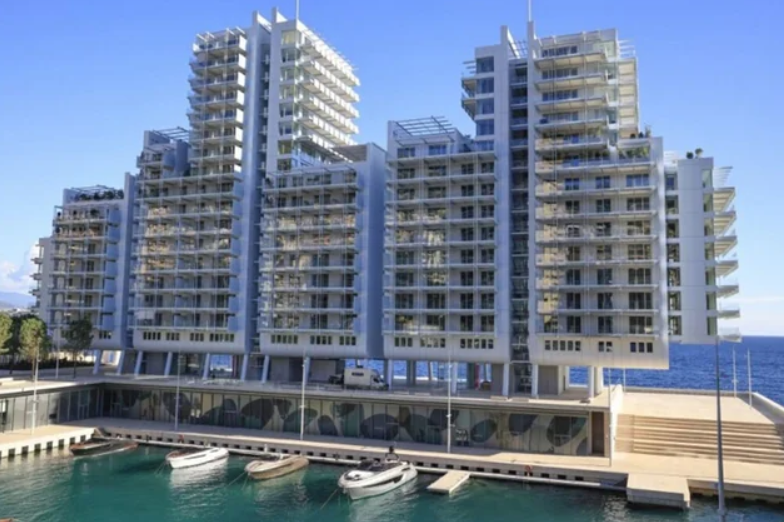
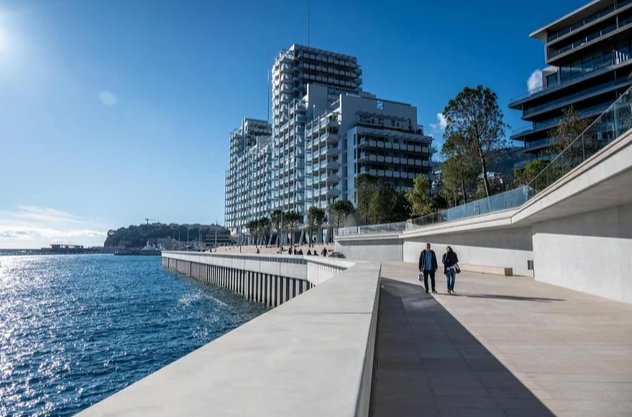
Former Ukrainian parliament member and billionaire Rinat Akhmetov has become the owner of a luxury apartment in Monaco, paying a record $554 million for it.

Oxu.Az reports that Bloomberg reported this, citing documents confirming the transaction, including extracts from the local real estate registry.

The agency notes that Akhmetov’s purchase is among the largest real estate transactions in history. According to the documents, the luxury property will be transferred to the Ukrainian businessman in 2024.

The apartment is located in the prestigious Le Renzo residential complex, occupies five floors with a total area of ​​2,500 square meters and includes 21 rooms. It features a private pool, a jacuzzi, several balconies, and terraces overlooking the Mediterranean Sea.

The purchase price also includes eight parking spaces. Rinat Akhmetov is considered the richest citizen of Ukraine. In March, he joined the Forbes list of dollar billionaires with a net worth of $7.8 billion.

In addition to Akhmetov, the list includes businessman Viktor Pinchuk ($2.8 billion), co-founder of the fintech company Revolut Vlad Yatsenko ($2.2 billion), former Ukrainian President Petro Poroshenko with a net worth of $1.5 billion, founder of the agricultural holding Kernel Andriy Verevskyi ($1.2 billion), and Vadym Novinsky and Konstantin Zhevago, who left Ukraine. According to Forbes, the net worth of most of them has decreased over the past year.

Advertisement

Contact information

Glowshadow Haven Pty Ltd

24 Hartington St, Northcote VIC 3070, Australia

+61394825261

[email protected]

Disclaimer

The information provided on this website is for general informational and educational purposes only. All content is published in good faith and is intended to offer a broad understanding of various topics. However, no representation or warranty of any kind, express or implied, is made regarding the accuracy, adequacy, validity, reliability, availability, or completeness of any information on this website.

All rights reserved © 2026